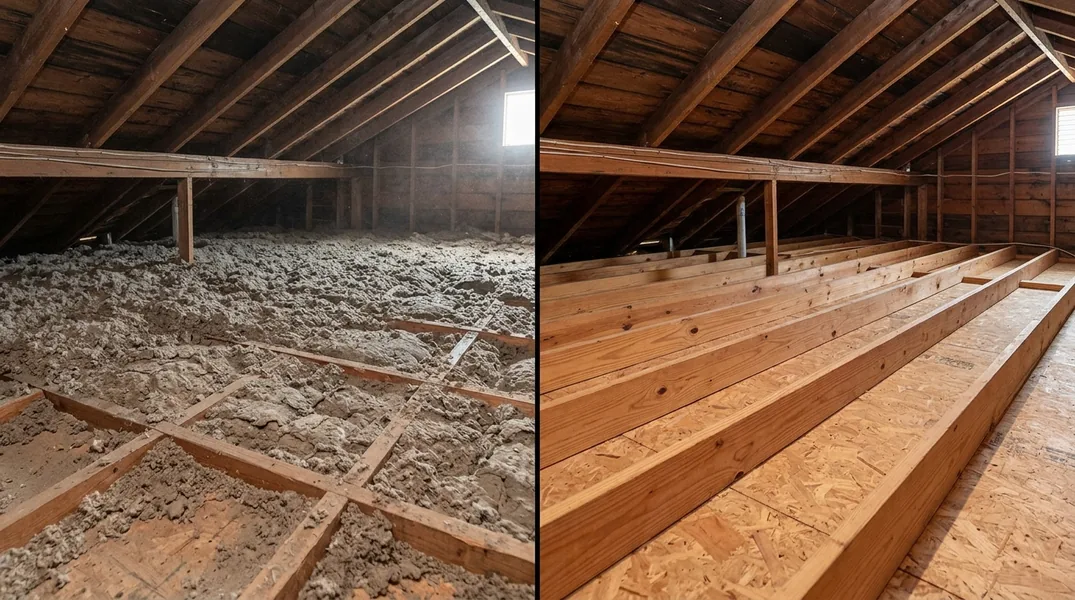
Why Attic Insulation Inspections Matter in Fayetteville-Springdale
Your attic is one of the most critical areas of your home when it comes to energy efficiency and comfort. Many homeowners in Fayetteville and Springdale don't realize that an improperly insulated attic can waste thousands of dollars annually on heating and cooling costs. An attic insulation inspection is the first step toward understanding your home's thermal performance and identifying areas where energy loss occurs.
During an inspection, a trained professional evaluates your current insulation, checks for air leaks, assesses moisture issues, and determines whether your attic meets modern energy efficiency standards. The inspection process reveals hidden problems that you might not see with the naked eye, such as compressed insulation, gaps around penetrations, or inadequate coverage. This comprehensive assessment helps you make informed decisions about whether to upgrade to Attic Spray Foam Insulation or other solutions.
Understanding Open Cell vs Closed Cell Spray Foam
When it comes to modern insulation solutions, Open Cell Spray Foam and Closed Cell Spray Foam Insulation are two popular options that offer distinct advantages. Understanding the differences between these two types is essential when planning your attic upgrade. Open cell foam is lighter, more flexible, and typically less expensive, making it an attractive choice for many homeowners. Closed cell foam, on the other hand, is denser, more rigid, and provides superior moisture resistance and structural support.
The choice between open cell and closed cell depends on your specific needs, climate conditions, and budget. Open cell foam excels at sound dampening and air sealing, while closed cell foam offers better moisture control and higher insulation value per inch. In the humid climate of Fayetteville, where seasonal moisture can be a concern, many homeowners find closed cell foam particularly valuable. During your attic inspection, a professional can assess which option best suits your home's unique situation and recommend the most cost-effective solution.
Spray Foam R-Value: What You Need to Know
R-value measures the thermal resistance of insulation, indicating how effectively it slows heat transfer through your attic. Higher R-values mean better insulation performance, but the relationship between foam type and R-value is more nuanced than many homeowners realize. The closed cell spray foam R value typically ranges from 6.0 to 7.0 per inch, making it highly efficient for attic applications. Open cell foam generally provides an R-value of 3.5 to 3.6 per inch, which is still respectable but requires greater thickness to achieve the same thermal resistance.
For attics in the Fayetteville area, the recommended R-value typically falls between R-38 and R-60, depending on your specific location and energy codes. This means that closed cell foam can achieve these targets with less material, while open cell foam requires more thickness to reach the same performance level. Understanding spray foam R value ratings helps you compare insulation options fairly and determine the true cost-effectiveness of your investment. During an inspection, professionals can calculate the exact R-value needed for your attic based on current conditions and local building codes.
What Happens During a Professional Attic Inspection
A comprehensive attic inspection begins with a visual assessment of your current insulation type, depth, and coverage patterns. The inspector will look for common problems such as missing insulation around pipes and electrical fixtures, settling or compression of existing materials, and signs of moisture damage or mold growth. They'll also check for air leaks around ductwork, vents, and the attic hatch, as these gaps can significantly reduce your insulation's effectiveness. Thermal imaging technology is often used to identify cold spots and heat loss patterns that aren't visible to the naked eye.
Beyond visual inspection, professionals measure insulation thickness, document the condition of existing materials, and assess ventilation adequacy. They'll evaluate whether your attic has proper soffit and ridge vents to prevent moisture accumulation, and they'll check for signs of pest damage or previous water intrusion. The inspector will also identify areas where Wall & Injection Foam Insulation might be beneficial for hard-to-reach spaces. This detailed evaluation provides the foundation for a targeted upgrade plan that addresses your home's specific weaknesses.
Common Issues Found During Attic Inspections in Fayetteville
Many homes in Fayetteville and surrounding areas share similar insulation challenges due to the region's climate and typical construction practices. One of the most common issues is inadequate insulation depth, where older homes were built with materials that no longer meet modern energy efficiency standards. Compressed insulation is another frequent problem, particularly in attics where storage items have been placed directly on the insulation, reducing its R-value significantly. Air leaks around recessed lighting fixtures, ceiling penetrations, and attic access points are nearly universal in older homes and represent a major source of energy loss.
Moisture-related problems are particularly prevalent in the humid Arkansas climate, where inadequate ventilation can lead to condensation buildup and potential mold growth. Many inspections reveal that existing insulation has been damaged by previous roof leaks or pest activity, compromising its thermal performance. Improper installation of previous insulation upgrades is also common, with gaps and voids reducing overall effectiveness. These findings often lead homeowners to consider modern spray foam solutions, which seal air leaks while providing superior insulation performance compared to traditional materials.
Next Steps: From Inspection to Upgrade
After your attic inspection is complete, you'll have a clear picture of your home's insulation needs and the potential energy savings available through upgrades. The inspection report should include specific recommendations for improvement, estimated costs, and projected energy savings. If spray foam insulation is recommended, you'll want to understand the differences between open cell and closed cell options, their respective R-values, and how they compare in terms of pricing and long-term performance. Many homeowners find that the investment in modern insulation pays for itself through reduced heating and cooling costs within just a few years.
When you're ready to move forward with an upgrade, choosing a qualified local contractor is essential. Fayetteville Spray Foam Insulation has the expertise to assess your attic, recommend the best insulation solution for your specific situation, and execute the installation with precision. Whether you're considering spray foam, traditional batts, or a combination approach, a professional contractor can help you make the most cost-effective choice. If you'd like to schedule a comprehensive attic inspection and receive personalized recommendations for your home, contact Fayetteville Spray Foam Insulation at (479) 480-6143 to request a free estimate today.
Looking for a professional spray foam insulation contractor in Fayetteville? Fayetteville Spray Foam Insulation responds fast for all your spray foam insulation needs.
Get a Free Quote